
training
How to become a florist in the US
There is no license and no single route. Here are the four ways people actually get in, what each costs, and whether certification is worth it.
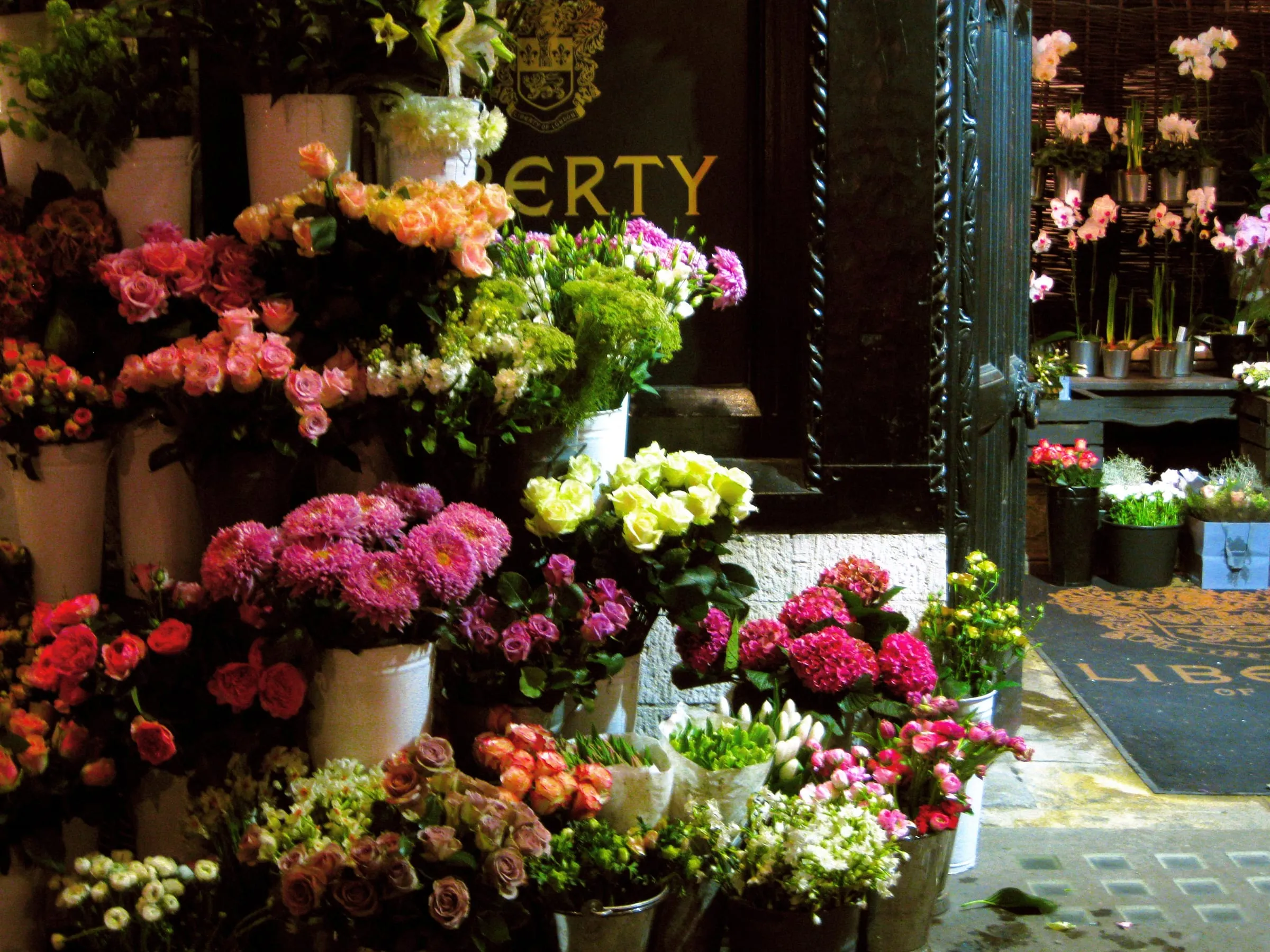
The most common question about this trade has a short answer that almost nobody publishes plainly: you don’t need a qualification to work as a florist in the US. No state requires a license. A shop can hire you on Monday with nothing on paper.
That is genuinely good news, and it is also why the path is confusing. When nothing is mandatory, everything looks optional, and the schools selling courses are not the people best placed to tell you which ones matter.
The four routes in
| Route | Typical cost | How long | Best for |
|---|---|---|---|
| Get hired and learn on the job | Nothing. You are paid. | 1 to 2 years to competence | Almost everyone. This is the normal route. |
| Community college program | Low to moderate | A semester to two years | People who want structure and a local network |
| Private floral design school | High, often several thousand dollars | Days to several weeks | Career changers who need to move fast |
| Certification through AIFD | Moderate, plus ongoing | Months, after you can already design | People already working who want to go further |
The order matters. Certification isn’t a way in. It is a way up, and it assumes you can already design before you start.
What CFD and AIFD actually are
These two get muddled constantly, including by people selling courses.
| CFD | AIFD | |
|---|---|---|
| What it is | Certified Floral Designer | Accredited in Floral Design |
| Order | First | Requires CFD already |
| How you get it | Coursework, an online exam, and an on-site evaluation of your designing | Score highly at the Professional Floral Design Evaluation and be invited |
| Keeping it | 25 continuing education units every three years | 30 units every five years, for twenty years |
Read that last row again, because it is the part people miss. Both credentials carry an ongoing obligation. They are not one-time purchases.
What the work is actually like
Worth saying, because a lot of people arrive with the wrong picture and leave within a week. Hiring managers report candidates who don’t come back after day one, and it is usually not because the job was badly explained. It is because it was never explained at all.
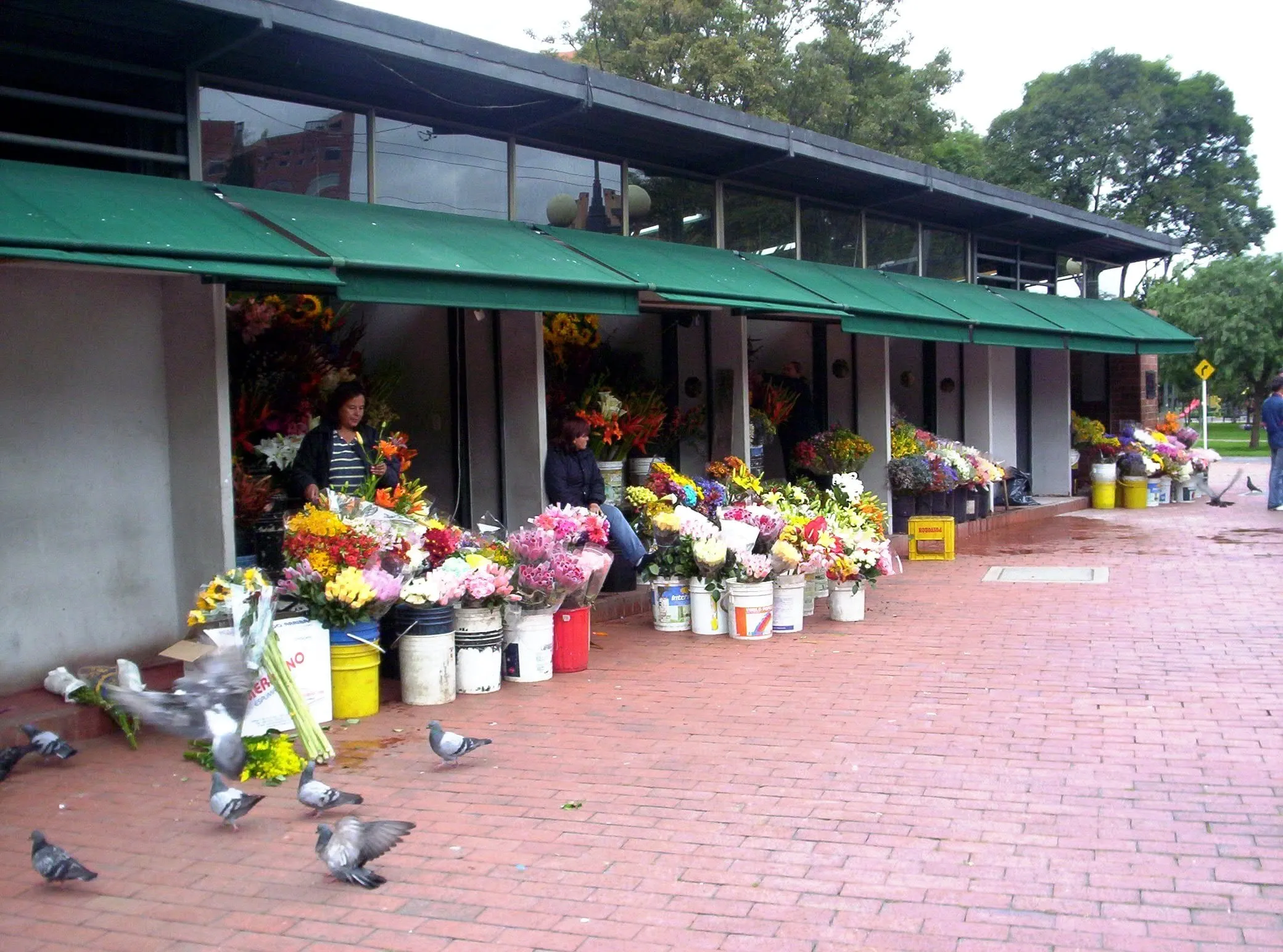
The job involves cold, wet hands. Early starts, especially near a market. Repetitive production work in peak weeks, where you will make the same arrangement two hundred times. Lifting. Cleaning buckets. The creative work that attracted you exists, and in a first year it is a minority of your hours.
People who love it tend to love the craft and the pace, not the aesthetic.
Your first year
- Get any shop job. Retail is fine. It is where volume and speed come from, and speed is what makes you employable later.
- Learn conditioning properly. It is unglamorous, it is most of the job, and doing it well is immediately visible to anyone who knows the trade.
- Say yes to peak weeks. Valentine’s and Mother’s Day will teach you more in five days than five ordinary months will.
- Then specialize. Events, weddings, wholesale, growing, or running a shop. You can’t choose sensibly until you have seen a few.
Where to look
Every listing on this board is a floral role, which is more than can be said for a general job site where “florist” returns supermarket vacancies. Entry level roles are worth applying for even when they ask for experience, because in this trade a trial shift settles the question faster than a resume does.