
selling
What a wholesale floral sales rep does
The call cycle, the early starts, and why the job is mostly product knowledge. How florists move across to wholesale, and what changes when they do.
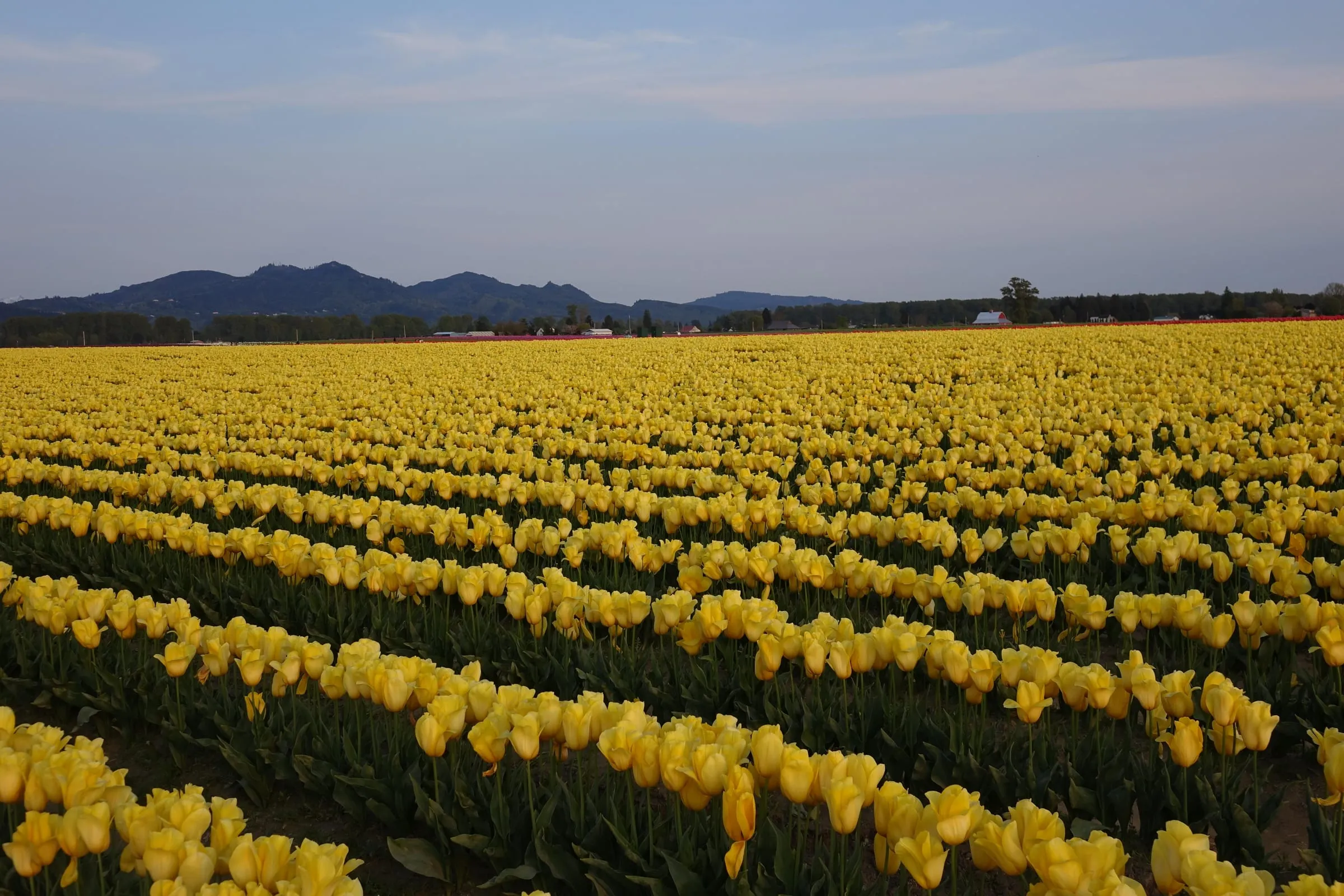
A wholesale floral sales rep sells flowers, greens and hard goods to the businesses that resell them: retail florists, grocery floral departments, event companies, sometimes designers directly.
Described that way it sounds like any distribution job. In practice the product is the complication and the whole role is organized around it.
The week
Most reps work a call cycle. A list of accounts, contacted on a rhythm, built around when each of them buys.
Early in the week is heavy, because shops are planning. Late in the week is problem-solving, because somebody is short for a Saturday wedding. Through it all you are working from an availability list that was accurate this morning and may not be accurate this afternoon.
The early start is not negotiable. Freight lands overnight, the floor is worked at dawn, and the customers who buy first get the best of it. A rep who starts at nine is a rep whose customers have already bought from someone else.
What the job actually consists of
Less persuasion than people expect, and much more information.
The rep a florist keeps is the one who calls and says the Ecuadorian roses this week are worth the money and the alternative is not, or that the peonies are two weeks away and to hold the order. That is a product judgement, and it is the thing being sold.
Substitution is a constant. When an order can’t be filled, the rep who can propose something that will actually work in the design keeps the account, and the one who just reports the shortage doesn’t.
Moving across from the shop floor
The common path, and worth thinking through properly.
What you gain: better pay, a more stable weekly rhythm, and a job that still exists in November. What you give up is making things, and a lot of florists underestimate how much that matters to them until it is gone.
Expect the first year to be about learning the commercial side rather than the product side. Margins, terms, credit, how a delivery route is costed, how much a promise to a customer actually costs your own operation. The flowers are the part you already know.
How performance is measured
On accounts held rather than on individual orders.
A rep who wins a large order by over-promising and then can’t deliver has lost the account and the reputation with it. The trade is small, florists talk to each other, and a rep with a name for over-promising runs out of customers in a way that doesn’t happen in industries with more buyers.
That is the thing to understand before taking the job. The measure is whether the shop still calls you next February.
Getting in
Wholesalers advertise, and they also hire from the customers they already deal with, which is why florists who buy well at a wholesale market get offered jobs across the counter surprisingly often.
If you are already buying for a shop, you have most of what the role wants: product knowledge, an understanding of what a florist needs, and a working relationship with a wholesaler who has seen you do it. How to buy at a wholesale flower market is the same ground from the buying side.