
trade
How to buy at a wholesale flower market
What to bring, how the pricing works, when to arrive and what to do with a box once you have bought it. The trade side of buying flowers.
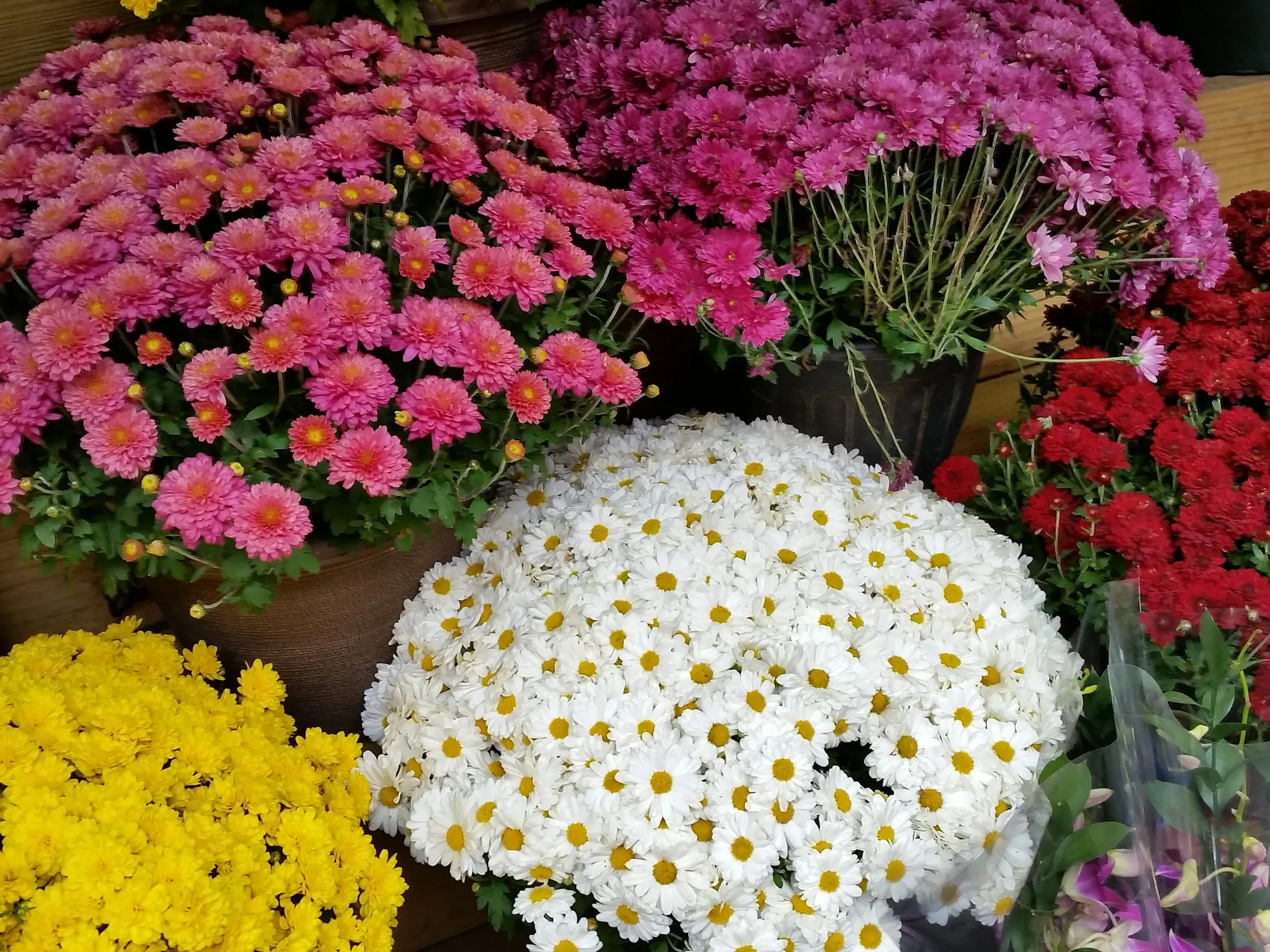
The first visit to a wholesale market is disorientating. It is cold, it is early, everyone else knows where they are going, and the prices aren’t on most of it.
None of that is a secret handshake. It is just a trade floor that assumes you already work in the trade, and it takes about three visits to stop feeling like a visitor.
Getting in
Most wholesale markets and wholesalers sell to businesses only. In practice that means an account, and an account means proof you are reselling: a resale certificate, a business license, sometimes a tax ID.
If you are starting out and don’t have those yet, the usual route is to go with your employer, or to find a wholesaler with a cash-and-carry arrangement. Some markets run one. It is worth asking rather than assuming.
Arrive early and walk once before you buy
The good stock moves first. So does the cheap stock at the end of its life, for different reasons and to different buyers.
Walk the whole floor before you commit to anything. Prices vary between vendors on the same morning for the same product, and the first stall you see is rarely the best one. This takes ten minutes and it is the single easiest saving available to a new buyer.
Then buy in the order of what spoils fastest. Soft-stemmed flowers first and into water, greens last, since it will forgive you.
How the pricing works
Stock is generally sold by the bunch or by the box, and the box price per stem is almost always better.
That’s the trade-off that catches people. A box of fifty gets you a better rate and commits you to selling fifty. A shop that buys boxes and throws away a third of them is paying more per stem sold than the shop buying bunches, whatever the invoice says.
Ask what is landing later in the week. Vendors know what is coming and will often tell you, which lets you buy for Thursday rather than buying everything on Monday.
Look at the stock properly
Handle it. A vendor won’t mind and it is how you learn what good looks like.
Check the foliage nearest the stem end, which tells you how long it has been out of the field. Look at the tightness of the head against what you need it for, because a rose that is perfect on the stall is a rose that is over by the wedding. Squeeze a carnation calyx gently. Lift a box and see if the bottom is wet.
If something looks cheap, work out why before you congratulate yourself.
Build a relationship with one or two vendors
This matters more than the price on any single morning.
A vendor who knows what you buy will hold things back for you, tell you when something exceptional has arrived, and sort you out when you are short on a Friday afternoon. That relationship is worth more over a year than the few dollars you save by chasing the cheapest stall every week.
It works the other way too. The people on the other side of the stall have their own trade and their own career ladder, which is worth understanding if you deal with them weekly. There is more on that in what a wholesale floral sales rep does.