
science
What you can do with a botany degree
Field technician to restoration specialist, and the seasonal years most people put in first. Where plant science actually employs people.
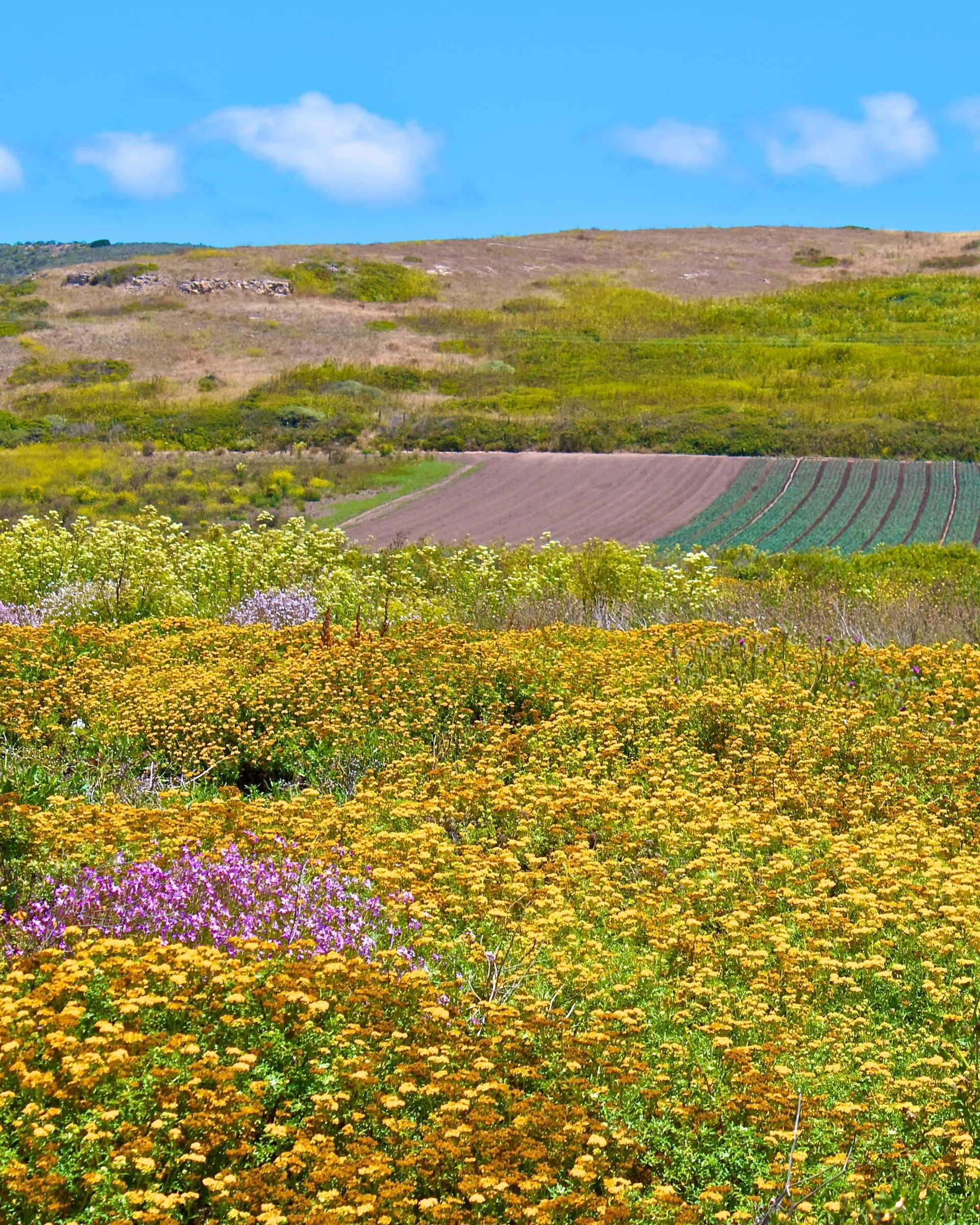
A botany degree doesn’t lead anywhere obvious, which is the complaint most graduates have about it. The work exists. It’s just organized differently from the way a degree implies.
The entry point is a season, not a job
Almost everyone starts on a seasonal contract. The titles vary: botany technician, field technician, seasonal monitoring botanist, research technician, herbarium assistant.
The work is field survey and data. Plant identification, vegetation monitoring, GPS mapping, specimen preparation, data entry. It is outdoor, it is often remote, and it runs for a field season rather than a year.
This isn’t a failure of the profession to offer proper jobs. Survey work is seasonal because plants are, and the permanent roles are built on top of people who have done several seasons and can be trusted to identify things correctly without supervision.
Who employs people
Four groups, and only one of them looks like the stereotype.
Government agencies. The Forest Service, the Bureau of Land Management, state natural resource departments. These carry a lot of the botany and plant ecology work in the country and they hire seasonally at scale.
Environmental consultancies. Survey work ahead of development, wetland delineation, mitigation monitoring. This is where a lot of the private-sector work sits and it pays better than agency seasonal work.
Botanical gardens and herbaria. Collections, curation, public programs, conservation projects. Fewer posts and heavily competed for.
Restoration and land trusts. Native plant propagation, invasive plant control, habitat restoration. Growing, and the closest of the four to horticulture.
What the ladder looks like
After a few seasons, people move into roles that carry their own assignments: field botanist, assistant ecologist, restoration specialist. That usually means writing reports, running field logistics and checking other people’s work rather than only collecting data.
Above that it splits. Some go toward project management and permitting, which is where the private money is. Some go toward research and a higher degree. Some go toward land management, running a preserve or a restoration program.
A master’s isn’t required to start and becomes close to necessary for the senior research and agency positions.
How this connects to the flower trade
Loosely, and honestly it is worth saying so.
The overlap is real at the edges. Native plant nurseries and restoration propagation are horticulture with a conservation purpose, and people do move between growing flowers and growing natives. Seed collection work sits in both worlds.
Mostly, though, this is a different career with a different employer base, and we cover it because the job board carries the category rather than because it is a branch of floristry. If the field work itself is what appeals, seasonal field botany work goes into how people make a year of it. If you like plants and want to be paid more sooner, working on a cut flower farm is the nearer neighbor.