
growing
Working on a cut flower farm
What the work is, what the season does to the hours, and how people get in without a horticulture degree. The growing side of the flower trade.
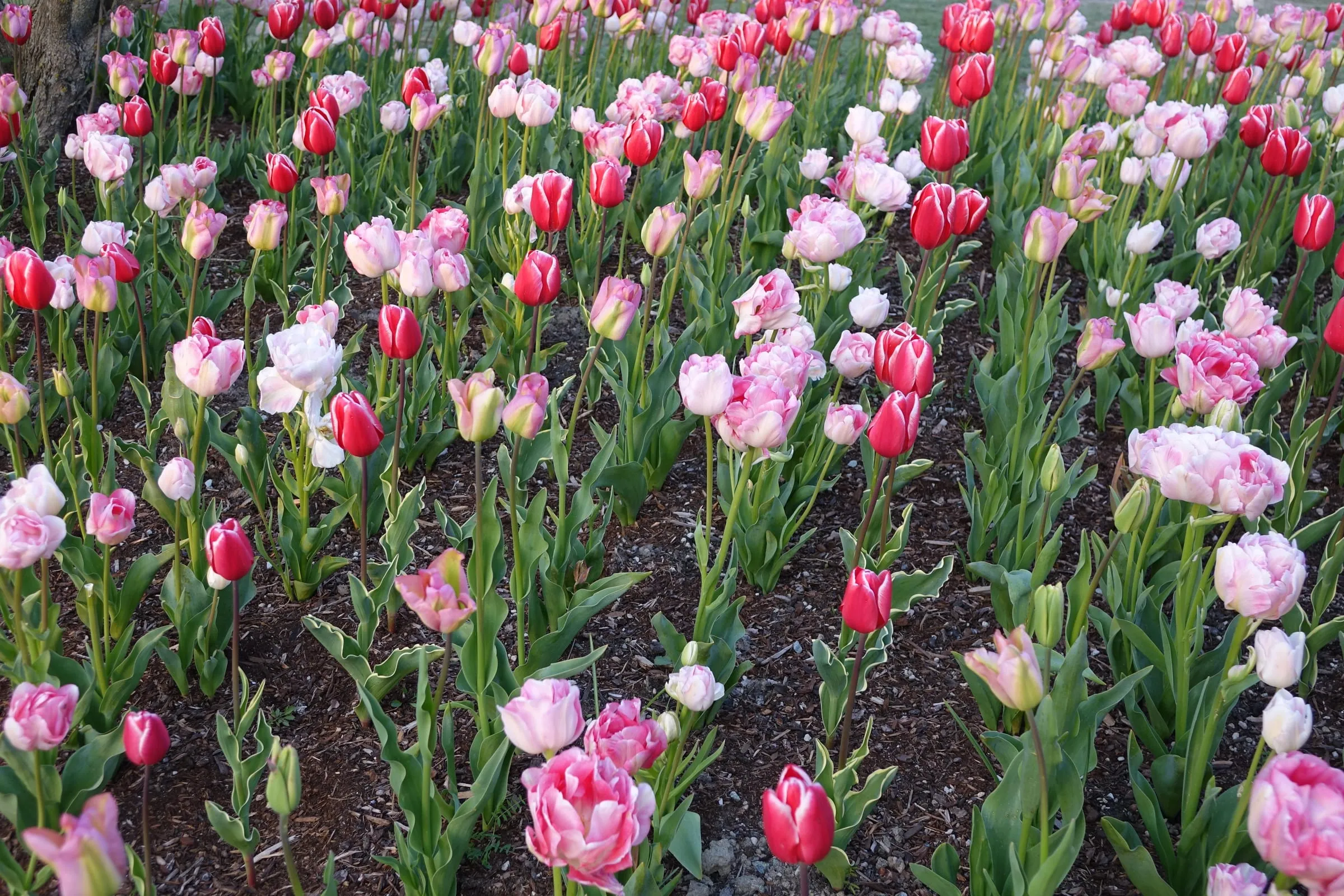
Cut flower growing sits at the far end of the trade from the shop, and most people in floristry never see it. It is also where a lot of the interesting work is, partly because the American-grown side has been expanding and partly because it is one of the few parts of this industry where you can still learn on the job.
What the work actually is
Planting, weeding, harvesting, and then the part nobody advertises: processing what you cut.
A day in season starts early, because most stems are cut in the cool of the morning and quality falls off sharply once the sun is on them. Harvest goes into water immediately. Then it is graded, bunched, sleeved and cooled, and the speed of that sequence is most of what decides whether the crop is worth anything by the time it reaches a buyer.
Out of season the work changes rather than stopping. Soil preparation, propagation, greenhouse work, planning next year’s succession so the field produces continuously rather than all at once.
The season sets the shape of the year
This is the thing to understand before applying. A farm’s calendar isn’t a preference, it is a constraint, and it makes the employment pattern in this part of the trade look nothing like retail.
Peak is spring through fall depending on where you are and what you grow. Many roles are advertised April to September or similar. Some farms keep a small year-round core and take on a crew for the season, which is the pattern worth knowing if you want this to become permanent: get in for a season and be the one they keep.
It is the opposite shape to retail floristry, which is quiet for months and then has two enormous weeks. If you want to understand both calendars side by side, when US flowers are actually in season sets them out.
How people get in
The common route is to turn up for a season with no growing background and be useful.
Farms hire for reliability, for a willingness to be outside in weather, and for the ability to handle stems without bruising them. Everything crop-specific is taught, because it has to be: what works in one climate zone and one soil doesn’t transfer neatly to the next one anyway.
A horticulture qualification helps for the roles above crew level, and it is worth having if you want to end up running production or propagation. It isn’t a gate at the entry.
If you are sourcing or selling rather than growing, the Association of Specialty Cut Flower Growers runs classifieds that are worth watching, and they are also where a lot of the trade’s own conversation happens.
What it pays and what it costs
Field work isn’t well paid at the entry, and it is honest to say so. The money is in the roles above it: production lead, propagation, farm manager, and the sales side of a farm that ships to wholesalers.
The physical cost is real too. Long days, repetitive cutting, lifting, and weather you can’t negotiate with. People who last tend to be people who wanted outdoor work rather than people who wanted flowers.
Where it goes
Three directions, roughly.
Deeper into production, which means propagation and crop planning and eventually running a growing operation. Sideways into wholesale, where knowing how a stem was grown makes you unusually good at selling it. Or out on your own, which is its own undertaking and a much harder business than most people expect when they start.
There is more on the seasonal entry point in seasonal work on a flower farm.