
growing
Seasonal work on a flower farm
When farms hire, what a season actually pays, and how seasonal crews turn a summer into a living. The practical side of field work.
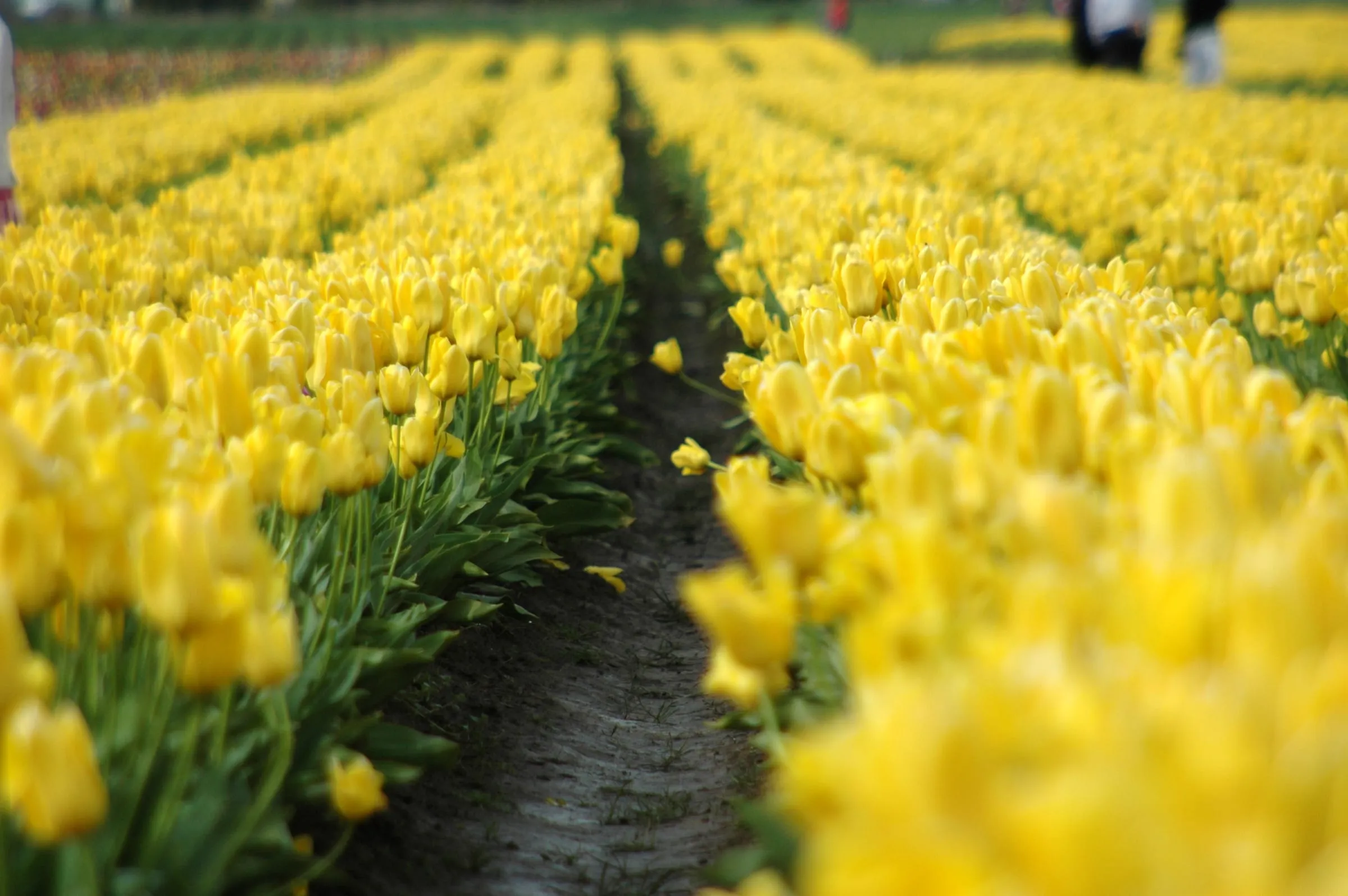
Seasonal work has a reputation for being what you do before you get a real job. On a flower farm it is closer to how most people get a real job, and a decent number of growers now running their own production started as somebody’s summer crew.
When to apply
Earlier than feels right.
Farms are planning their season through the winter, and crew hiring happens well before there is anything green to look at. By the time the fields are obviously in production, the roles are filled and you’re applying for gaps rather than for posts.
The practical version: start looking in January and February for a spring start. If you missed that, ask anyway, because crews lose people in the first month and a farm that just lost someone in June is a farm that wants to hear from you today.
What a season looks like
Roughly spring to the first frost, which depending on where you are is anything from five months to nine.
Early season is planting and infrastructure. Mid season is harvest, which is the intense part and where the early starts live. Late season is harvest plus the beginning of pulling things out and putting the field to bed.
Expect the hours to be uneven. A week with a heat wave or a big order behaves nothing like an ordinary week, and this is the part that surprises people who have only had shift work before.
Making a year out of it
Nobody lives on five months of work without a plan for the other seven. The common patterns:
Follow the season. Some people work a northern summer and then a southern one, or move between climate zones within the States. This is a real route and it suits people without fixed commitments.
Pair it with retail. Farm work peaks in summer. Retail floristry peaks at Valentine’s and Mother’s Day and runs hard through December. Those calendars fit together almost too neatly, and plenty of people work one then the other.
Get kept on. Farms with greenhouses, propagation or a wholesale arm have winter work, and they give it to people they already trust. This is the route worth aiming at if you want growing to be the career rather than the summer.
What to expect from the pay
Field work sits at the lower end of the trade and the honest framing is that you’re buying training with a season of your labor.
What makes the difference is what you do with the season. Somebody who learns the crop, learns post-harvest handling properly and can be left to run a harvest is worth considerably more the following spring, and is the person who gets offered the winter work.
Ask about progression in the first conversation rather than the last. A farm that has a lead-hand or a crew-lead position above you has somewhere for you to go. A farm that has the owner and then everyone else doesn’t, whatever else is good about it.
Where to look
The Association of Specialty Cut Flower Growers carries grower classifieds. Regional grower associations run their own. Farms also post directly, often to their own social accounts before anywhere else, which is why following the farms near you through the winter is a genuinely effective strategy.
The broader picture of where these roles sit in the trade is in working on a cut flower farm.