
seasons
When US flowers are actually in season
Peak domestic season, the months importers cover, and why one national calendar is wrong almost everywhere. How to read it without getting caught.
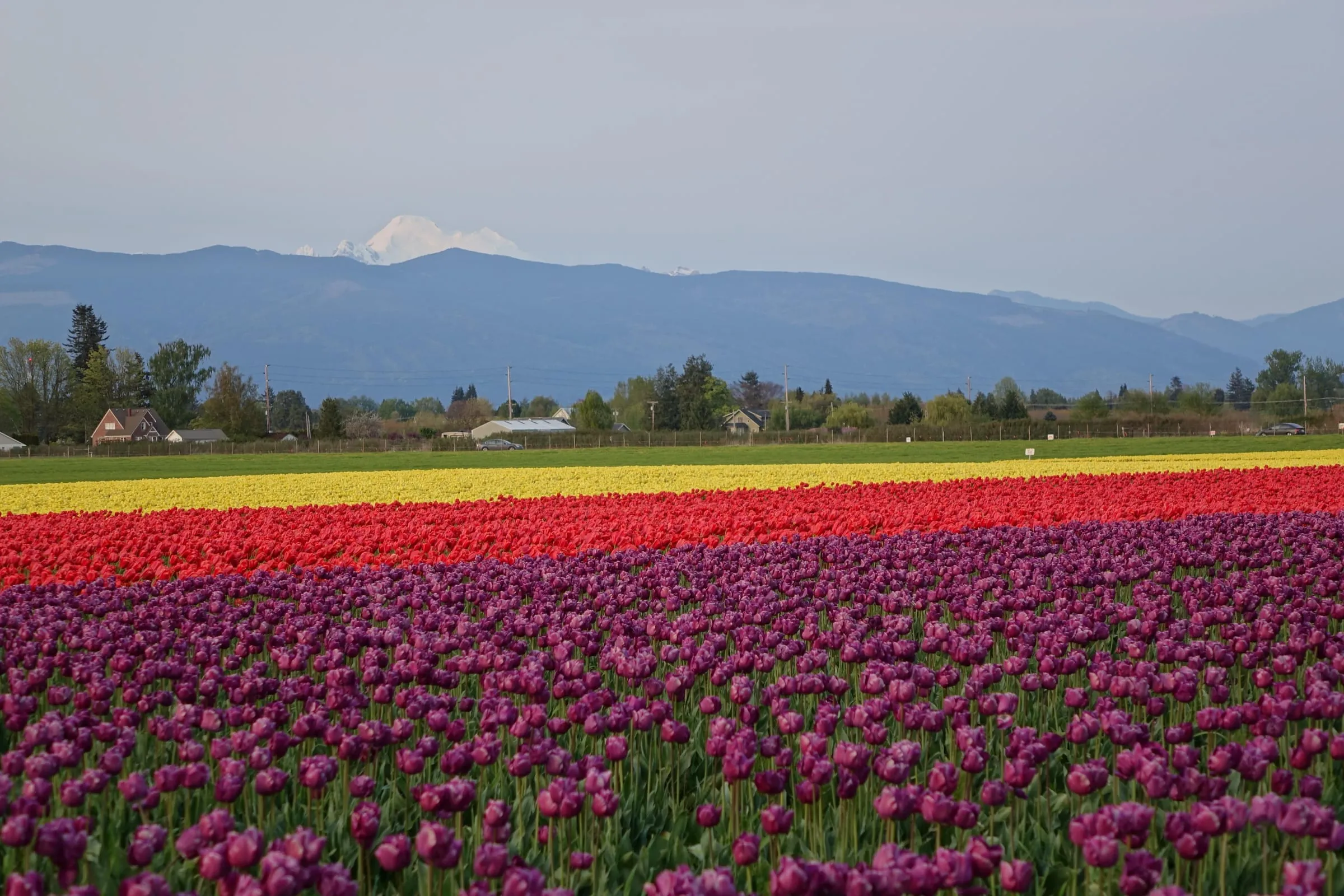
Seasonality in this trade means one of two things and people talk past each other constantly.
A grower means the weeks their field is cutting. A shop in a major market means the weeks they can order something and have it turn up. Those are wildly different calendars, and the gap between them is an airplane.
The domestic season is short and regional
Field-grown stems have a real season and it is narrower than most people expect. Peonies get a few weeks. Dahlias run from mid-summer into the first frost and then stop, all at once, in a way that catches out anyone who promised them for a late October wedding.
Where you are changes all of it. A grower in coastal California and a grower in Michigan share almost nothing in their calendars. This is why the free seasonality charts online feel so hedged: they are trying to describe a country that spans enough climate zones to make any single answer wrong somewhere.
If you’re buying local, the only calendar that matters is the one your grower is working to. Ask them in January what they are planting and you will know your year.
The import calendar is the one most shops actually work to
For most of the standard lines, the answer to “can I get it in February” is yes.
Colombia and Ecuador between them keep roses, carnations, chrysanthemums and a long list of fillers moving every week of the year. The Netherlands does the same for forced bulbs, so tulips reach a US wholesaler well outside any domestic tulip season. Chile covers part of the northern winter for peonies.
That availability is real, and it is also conditional. It describes a major market with a working wholesale trade rather than every town with a flower shop. A shop three hours from the nearest wholesaler is on a different footing, and freight costs and weather at the growing end move the whole thing around without warning.
Why it matters for a job, not just an order
If you are looking at work in this trade, the calendar is also the shape of your year.
Retail floristry has two enormous weeks and several very quiet months, which we get into in what florists actually earn. Farm work has the opposite shape: the season is the job, and a lot of growing roles are advertised as seasonal for that reason. Wholesale sits somewhere between, busy on a weekly rhythm rather than an annual one.
Knowing which rhythm you want is most of choosing which part of the trade to work in.
How to use the calendar without getting caught
Three habits worth keeping.
Order early for anything with a short domestic window, because the window is the supply. Have a substitute in mind before the customer asks, not after. And when a customer wants a specific stem for a specific date, check it rather than trusting a chart, including ours.
Availability is only half of the year. What the trade is actually selling in any given month, and how far ahead each date has to be bought, is laid out in the floral year, holiday by holiday.
The flower calendar carries sixty-five flowers, fillers and foliage with both answers marked. It is built from general trade practice rather than one grower’s records, which is stated plainly on the page, and it wants a working florist’s eye before anyone treats it as gospel.