
science
Seasonal field botany work
Where the seasonal posts are advertised, what a field season involves, and how people turn three or four of them into a career rather than a gap.
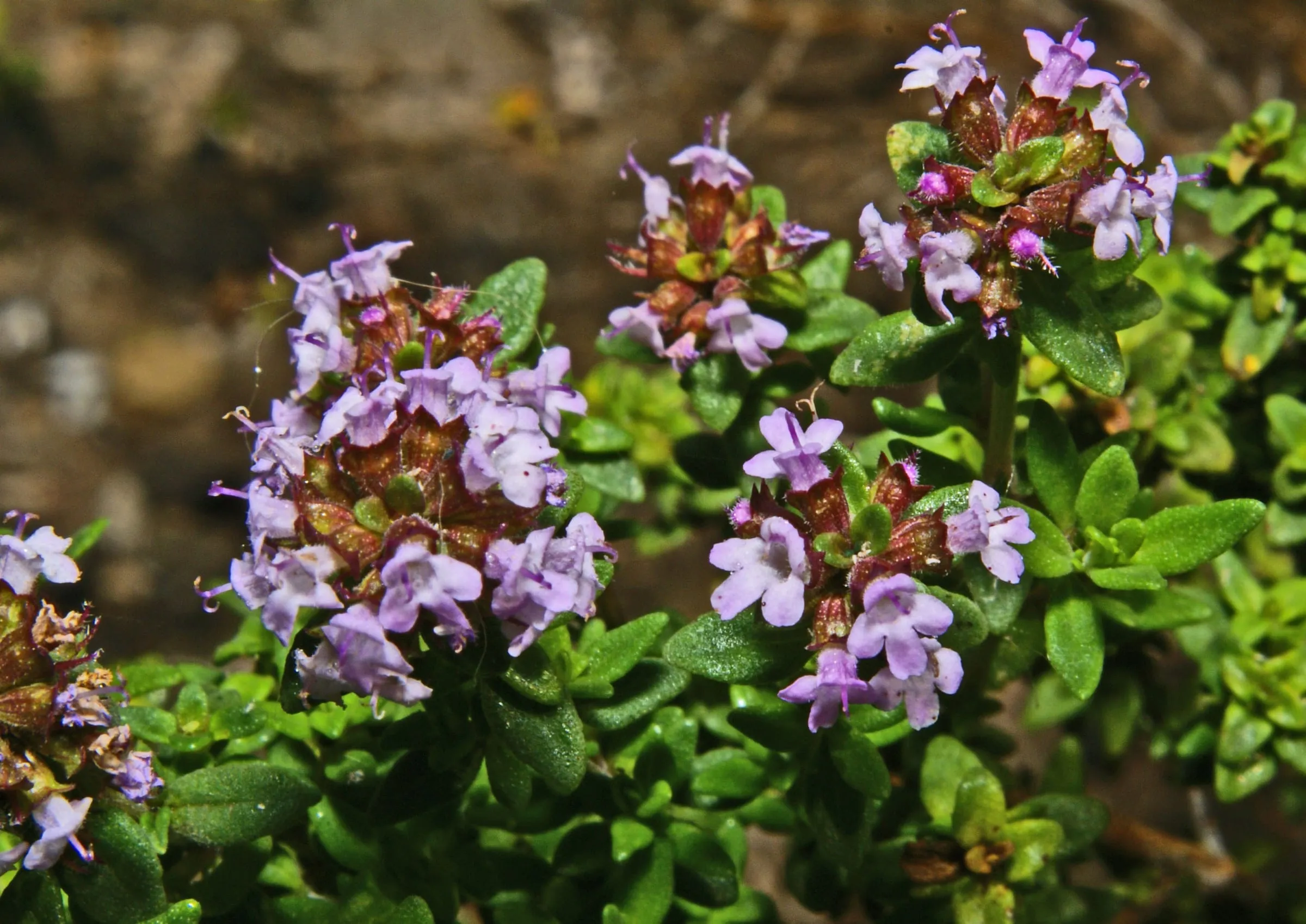
Seasonal field work is how almost every plant ecologist and field botanist in the country started. Knowing that in advance makes the first two years feel like a route rather than a failure to get a real job.
What a season involves
You will be outside, often somewhere remote, walking transects and recording what is growing.
Typical work is vegetation monitoring, rare plant surveys, invasive species mapping, and seed or specimen collection. That means plant identification all day, GPS and data recording, and enough physical stamina to do it in heat, on slopes, carrying kit.
Housing is frequently part of the package, sometimes a bunkhouse and sometimes a field camp. Ask what it is. A season with housing and a season without are different offers however similar the hourly rate looks.
When and where the posts appear
Earlier than the season by some months.
Agency positions run on a hiring calendar with deadlines in winter for summer starts. Consultancies hire closer to the work but still ahead of it. University projects post when the grant lands, which is less predictable and worth watching for continuously.
The places worth checking weekly through the winter: federal and state agency hiring portals, the job boards run by the professional societies, university department listings, and the mailing lists that the field still uses more than any modern platform.
Keep a species list
From your first week, keep a record of what you can identify to species and where you learned it.
This matters more than it sounds. Hiring in this field turns on whether you know the flora of a particular region, and “I did a season in the Great Basin and can identify its grasses” is a concrete claim in a way that a degree title isn’t. It is the closest thing the discipline has to a portfolio.
Photograph what you can’t identify and work it out later. The habit of not letting an unknown go past is what separates people who improve quickly from people who plateau.
Making a year out of seasons
Nobody lives on five months. The common patterns:
Chase the seasons by latitude. A northern summer season and then a southern or a desert winter season. Some people run this for years.
Pair it with indoor work. Herbarium and collections work is often winter work, because that’s when the specimens collected in summer get processed. A summer in the field and a winter in a herbarium is a coherent year and makes you better at both.
Take the certifications in the off-season. Wilderness first aid, chainsaw, pesticide applicator, four-wheel-drive. Each one makes you eligible for postings that were closed to you before, and they cost little next to what they’re worth.
When to stop doing seasons
After three or four, you should be applying for the permanent posts rather than the next contract.
The signal that you’re ready is usually that you have been asked to check someone else’s identifications, or to run a crew, or to write part of the report. When that starts happening, start applying upward, because the next seasonal contract is no longer teaching you anything that the first three did not.
The wider set of destinations is in what you can do with a botany degree.